Tuesday, 30 June 2015

Health Benefits of Butea Superba

Health Benefits of Butea Superba

Some of the most interesting health benefits of butea superba include its ability to reduce fatigue, lower cholesterol, increase libido, stimulate male fertility, reduce inflammation, benefit hair health, treat certain types of cancer, and boost heart health.
Butea Superba

If you’re looking for a natural male enhancement method, then looking into the benefits of Butea superba is a very good place to start. Although there are dozens of other potential uses and benefits of this powerful herb from Thailand, its effects on sexual libido and male sexual performance has made it very important to a number of cultures throughout history. It essentially acts the same as a crawling vine and grows up existing trees to access sunlight. However, the deep root of the Butea superba herb is where most of the beneficial nutrients are, which is why the tubers are so sought after. It has largely been kept a secret in that region, but in recent decades, and with the rise of globalization, Butea superba has now become a highly desirable male supplement in other parts of the world.


Studies of the root itself have shown it to be rich in a variety of different nutrients and chemicals, including sterol, flavonoids, phytochemicals, and more than 15 other unique acids and components that affect human health in many ways. In other words, although Butea superba is famous for its effects on the male sex drive, more and more potential uses are being discovered all the time. Now, let’s take a closer look at some of those important health benefits of Butea superba.

Health Benefits of Butea Superba


Male Energy and Enhancement: Most of the attention for Butea superba does come from men, and with good reason. The phytoandogens found in such high supply within the herb mimic male hormones, which gives men faster recovery times, increased muscle tone, strength, and energy. While women can benefit from the herb for other health issues, there isn’t much good that male hormone-mimicking substances would do in their body in terms of sexual performance.


Heart Health: There are a number of phytonutrients and flavonoids that directly access cardiovascular function, helping to combat heart disease and cholesterol levels. Although the exact pathways are not completely understood, it is clear that cholesterol is more balanced in individuals who use Butea superba and rebalance their hormonal levels. Hormones are a very important part of all bodily functions, including the activities of the heart.

Hair Loss: A similarly stimulating effect can also be found for men who are suffering from hair loss or thinning. Similar to saw palmetto extracts, Butea superba stimulates certain elements of males that causes hair re-growth and strengthening, a long-awaited solution to an endless problem.

Erectile Dysfunction: Sexual performance isn’t only limited to energy and physical fitness; erectile dysfunction affects millions of men, both young and old. Butea superba has shown a remarkable ability, both in modern research and traditional usage, to stimulate the sexual libido, encouraging stronger orgasms, increased blood flow, and higher chances of conception. If you’ve been feeling less than your best in the bedroom, try adding some Butea superba to the mix.

Bone Health: Other studies unrelated to sexual performance have shown a marked increase in bone strength and bone mineral density with consumption of Butea superba, perhaps due to its influence on nutrient uptake efficiency in the gut. This makes Butea superba important for people suffering from osteoporosis and other degenerative bone diseases.

Anti-Inflammatory Activity: The anti-inflammatory properties of the many organic compounds and substances found in the Butea superba herb make it an ideal treatment approach for arthritis or other inflammatory conditions, such as gout or even hemorrhoids.

Cancer Treatment: There have been early studies conducted on potential anti-carcinogenic activity of certain compounds in Butea superba. By preventing a certain enzymatic reaction from occurring within the body, Butea superba can keep cancerous cells from dividing and multiplying, thereby being a possible treatment for halting the spread of cancerous tissues and cells.

A Final Word of Warning: There are no known allergenic trends with Butea superba, but not enough research has been done on many demographics of the population to know for sure. Women who are pregnant or nursing are not recommended to use Butea superba, as its full effects are unknown, and its effects on hormonal balance could be dangerous. Before adding such a powerful supplement to your daily or weekly regiment, speak to your medical professional to ensure that taking Butea superba is appropriate or necessary.

Sources: https://www.organicfacts.net/health-benefits/other/butea-superba.html

Wednesday, 25 March 2015

How to Relieve Clogged Nose And Start to Breathing Again

How to Relieve Clogged Nose And Start to Breathing Again 

Ingredients:


    A little salt
    1 cup of lukewarm water (200ml)

Preparation:


The salt concentration in the rinse water of the nose is based on its concentration of the infusion solution 0.9%, which means a teaspoon of salt (about 10g) per liter of water.

In a glass of warm water put a pinch of salt (about one fifth of a teaspoon, nothing will happen even if you put a little more, but not a full scoop, because it might damage the mucous membrane).

Stir.


Pour a little of the solution in the right arm and with the right nostril sniff a little of the solution into the nose, while the finger of the left hand should block the left nostril. Raise you head a little and let the water come out of your mouth.

Spit and blow your nostril. Repeat the same procedure with the left nostril, while the right is clogged. -


The most important thing is to master the implementation of the solution through the nose and out of the mouth, because it allows you to completely rinse, which makes this method different from others.

In the beginning it will be little uncomfortable until you get used to it.

This should be practiced in the morning and in the evening because this way you will be expelling particles, viruses and other bacteria accumulated in the nose and prevent the occurrence of disease.

In the already – present fullness, the procedure should be applied three times a day as a relief of the symptoms.

This method is more like – better safe than sorry- but it has helped many people with fever.

- See more at: http://www.healthylifevision.com/how-to-relieve-clogged-nose-and-start-to-breathing-again/#sthash.uhYHV4Xf.dpuf

Reduce High Blood Pressure in 5 Minutes without Using Drugs

Reduce High Blood Pressure in 5 Minutes without Using Drugs


Drugs

High blood pressure is more serious and more regular problem in many people. There are several reasons for the high blood pressure, of which the most common is stress or physical load on the muscles. To reduce the blood pressure it is necessary to relax the muscles.

How?

The line going from point 1 to point 2 shown in the photograph shouldn’t be pressed too hard, or massaged, but should be gently canoodled with caressing gesture from top to bottom, with only the tips of the fingers. Repeat 10 times on one side and 10 times on the other side.


Point number 2 is located near the collarbone, and should be massages with your fingertips 1 minute on both sides separately. Press strong, but not to feel pain.

After this simple treatment the high blood pressure will return to normal.

As Lee Hunsen says, what is important – is the regulation of blood circulation.

See more at: http://www.healthylifevision.com/reduce-high-pressure-in-5-minutes-without-using-drugs/#sthash.Z3sZDLnE.dpuf

Friday, 20 March 2015

Why Soy Isn't As Bad For You As Everyone Says


Why Soy Isn't As Bad For You As Everyone Says

By Dr. Joel Kahn


I ate dinner last night with another plant-based interventional cardiologist (triathlete Heather Shenkman, MD) at Vinh Loi Tofu in California and had one delicacy after another featuring homemade tofu crafted by the culinary genius Kevin Tran. How can two cardiologists enjoy soy as a healthy food choice when so many websites and media comments emphasize the dangers of eating soy? Have I lost my mind?

With the new USDA dietary guidelines emphasizing "a diet higher in plant-based foods such as vegetables, fruits, whole grains, legumes, nuts and seeds lower in calories and animal-based foods is more health promoting and is associated with less environmental impact than is the current US diet," more people may be exploring tofu in their diet.

Dr. Neal Barnard of the Physicians Committee for Responsible Medicine reviewed data on soy and health in 2012, so I took a look at recent medical research on soy to ensure that my meal last night was a health-promoting choice.

1. Soy and heart attacks

Chinese researchers studied 1,312 cases of first-time heart attack sufferers and 2,235 control subjects. An unhealthy dietary pattern increased the risk of heart attack while increased intake of vegetables, fruits and tofu were associated with a significant drop in heart attack rates. So I guess two cardiologists made a good choice.

2. Soy and prostate cancer

A meta-analysis of men diagnosed with prostate cancer found that the risk of this serious disease was cut in half by regular ingestions of soy and soy isoflavones.

3. Soy and breast cancer

Japanese researchers performed an evaluation of research and identified studies that showed everything from a slight to a significant reduction in breast cancer with increased soy food intake.

Additionally, a meta-analysis of 35 studies from Asian countries was performed to examine soy intake and breast cancer risk. Soy intake significantly reduced breast cancer risk by 40% in both pre- and post-menopausal women in these countries.

4. Soy and eczema risk

The association between maternal intake of a soy product called natto during pregnancy and the risk of eczema in the babies born of these pregnancies was assessed by researchers. They found much lower incidence of eczema in babies of mothers who ate the most natto.

5. Soy and ovarian cancer

In southern China, 500 women with ovarian cancer were compared to 500 controls, and the amount of soy products eaten was assessed. Regular soy intake was associated with a dramatically lower rate of ovarian cancer with a dose-response relationship.

6. Soy and mortality

The Singapore Chinese Health Study examined more than 52,000 men and women free of chronic diseases at entry between 1993 and 1998, and followed them through 2011. During that time, there were more than 10,000 deaths. A pattern of eating a vegetable-, fruit- and soy-rich diet was associated with up to a 25% less risk of dying during the study period, and included fewer heart and cancer deaths.

The bulk of the data that has emerged from scientific studies, admittedly often of Asian populations and based on associations, supports the promotion of soy products in the diet for health optimization. Clearly there are individuals with soy allergies who should avoid this class of foods.

Ideally, you'd only choose non-GMO and organic products, which can be difficult since the majority of soy-based products are GMO. Genetically modified soybeans are routinely fed to animals for meat production and may be a source of concern for those regularly ingesting nonorganic sources of meat.

Dan Buettner, author of The Blue Zones, has said that "black beans and soy beans are the cornerstones of longevity diets around the world." If you have a chance, say hi to Kevin at Vinh Liu Tofu, and sample some of his healthy (and possibly life-extending) delicacies.

Sources: http://www.mindbodygreen.com/0-17741/why-soy-isnt-as-bad-for-you-as-everyone-says.html

5 Superfoods For A Healthier Gut


If You Only Eat 5 Superfoods, Eat These


5 Superfoods For A Healthier Gut


By Dr. Amy Shah 

Every year, a few new superfoods make their way into our kitchens and our recipes. While coconut oil, chia seeds and kale may have been the stars of years past, the following newcomers are finding  Read

I pore over articles about superfoods, nutrients and vitamins to see which ones I would actually recommend to patients. I try and discern which ones are backed by science to determine the ones that are worth spending the time and money to eat.

I came up with my four favorites, which I have listed below.

The superfoods I include in this list are all ones that are relatively inexpensive, making them easier to consume regularly (at least three times per week). You should eat these as part of a balanced whole food, plant-based diet. They are easy to sprinkle on greens, add to smoothies or to take in supplement form.

1. Turmeric/Curcumin

The active ingredient in curcumin (or turmeric) is well studied as an anti-inflammatory, anti-cancer agent.

It's a promising treatment for Alzheimer's as well.

As we know, a huge portion of the immune system lies in the gut. Using curry powder or raw turmeric can boost it.

How To Eat: Add a 1/2 spoonful in hot water was a tea or added to your green (vegetable) juice.

2. Garlic

Garlic can lower blood pressure and treat colds. It can also reduce the risk of various cancers.

Garlic was re-popularized by Tim Ferriss who says it helped him "inhibit fat regain".

How To Eat: Raw is best, but if you can't fathom eating it raw, extracts are available.

3. Ground flax seeds

Flaxseeds can help with blood sugar control and potentially inhibit certain cancers, such as prostate and breast.

Additionally, they offer a good dose of soluble fiber.

How To Eat: Add 2-3 tablespoons to your daily smoothie or over a salad.

4. Chia seeds

One tablespoon of chia offers more calcium than a glass of milk. It's also full of antioxidants!

Rich in fiber, they are also great for weight loss.

How To Eat: My favorite way to eat them is soak them so they get a gel like consistency. Add two tablespoons soaked for 15 minutes to smoothies or you can drink it with water, stevia and lemon.

5. Spirulina

Spirulina is a great for immune support, protein, and as source of vegan omega-3s. The taste is a bit strong for lots of people, but the benefits, especially for plant-based eaters, are well worth it.

Green Chocolate Smoothie


Here's a quick and easy green "chocolate" smoothie that incorporates both chia and flax seeds.

Serves 2

Ingredients

    2 cups cold almond milk
    2 handfuls spinach
    1 kale leaf, medium
    1 cup fresh or frozen berries
    2 tablespoons chia seeds (pre soaked)
    1 tablespoon ground flax seeds
    1 tablespoon cocoa powder

Preparation

Blend all ingredients in a high power blender until smooth.

Sources: http://www.mindbodygreen.com/0-17911/if-you-only-eat-5-superfoods-eat-these.html

Thursday, 19 March 2015

Grow Your Own Antibacterial Bandages

Here’s How To Grow Your Own Antibacterial Bandages


Many people are beginning to see the benefit of growing your own food, but growing your own medicine is as important to your health.  Have you heard of Wooly Lamb’s Ear?  Woolly lamb’s ears is also known as woolly woundwort. The whole plant is medicinal as an alterative, antibacterial, antipyretic, antiseptic, antispasmodic, febrifuge, hypotensive, stomachic, styptic, tonic, astringent, carminative, diuretic, vulnerary. It  can be used in place of bandages. It absorbs blood and helps it to clot more easily. In fact Lamb’s Ear has been used for 100s and 100s of years as a wound dressing, especially on the battle field, so it is a shame that this kind of natural first aid knowledge is dying out…

How To Grow Your Own Antibacterial Bandages (Wooly Lamb’s Ear) From Seed

Lamb’s ears is very hardy, and very easy to grow. It requires full sun, good drainage, and little more. Over the years your patch will become overgrown and will need to be thinned out every, perhaps, 2-3 years. To keep the patch neat you can cut back the flowering stems once they have finished flowering and they are beginning to develop seeds.

1. Fill a well-draining container with Seed Starting Mix.  A yogurt cup with holes poked in the bottom works nicely.

2. Wet the soil thoroughly. If you’re on city water, use filtered water for your plants.The chemicals in treated water can inhibit plant growth.

3. Plant 1-2 seeds per small container (thinning out the weakest seedling), or plant seeds about 6″ apart in a larger pot, burying them 1/4″ deep.

4. Keep the soil moist and the containers out of direct light until the seedlings germinate. As soon as you see the tops of the plants emerging, put them somewhere where they can get at least 6 hours of sunlight daily, or under a grow light. It helps to set the cups/pots in a shallow tray of water to keep the soil from drying out.

5. When the plants have at least three sets of leaves, they’re ready to be transplanted to a semi-shady place in your yard. Space them 12″ apart. They will multiply readily in good soil.

Sources: : http://complete-health-and-happiness.com/heres-how-to-grow-your-own-antibacterial-bandages

Monday, 16 March 2015

Five foods that work miracles on digestive problems


Five foods that work miracles on digestive problems

Whether you have been diagnosed with a digestive disease or not, chances are you are suffering from some type of intestinal distress. We have wandered a long ways away from clean, unprocessed, and live foods. The resulting deficiency has left our guts raw and inflamed – a precursor to all sorts of diseases (many of them autoimmune).

In order to clean up the gut, we need some powerful foods to start repairing the damage, while we transition to a more gut friendly whole foods diet. These are five of them.


Aloe vera

Aloe vera is a special plant known as the “lily of the desert”. Although it has been historically used topically to treat open wounds, ulcers, burns, and infections, in recent years it has become popular due to the fact it can also treat these types of conditions internally.

Due to its very high enzymatic content; its antibacterial, antifungal, and antiviral properties; and the fact that it is a powerful anti-inflammatory, aloe vera is a boon to anyone suffering from digestive complaints. It has been used successfully to treat a wide variety of conditions related to the gut, including:

• Ulcers, IBS, Crohn’s disease, colitis, and other digestive disorders
• Candida infections
• Parasitic infections
• Acid reflux
• Constipation

Be careful when choosing aloe vera as some brands may contain preservatives like sodium benzoate, which are very harmful to the intestinal lining.

Bone broth

Bone broth is an excellent option for healing and sealing the gut, provided it is made from the carcasses of animals fed clean and nutritious diets. It is also easily digestible and contains many valuable nutrients to heal the gut.

One of these nutrients is gelatin, which protects and heals the mucosal lining of the digestive tract and also assists in the digestion of nutrients. It also contains high levels of the amino acids glycine and proline, which are very anti-inflammatory.

Coconut kefir

Coconut kefir (fermented coconut water), is a probiotic and enzyme rich beverage that promotes healthy bacterial balance and helps cleanse the liver.


Coconut kefir will enhance hydration and recolonize your gut and mucous membranes with a wide variety of beneficial microflora. It also contains beneficial yeasts that seek out and destroy pathogenic yeasts in the body (like Candida) as well as helping clean, strengthen, and purify intestinal walls so it can become more resistant to dangerous pathogens like E. coli, salmonella, and parasites.

Coconut kefir also helps assimilate nutrients in the gut and enhances the usage of certain trace minerals and B-vitamins. For a simple recipe, check out the first source.

Flax seed tea

Flax seed tea is excellent for healing the colon, especially if you suffer from leaky gut syndrome or irritable bowel. It is an excellent source of omega-3 fatty acids, soluble fiber, and lignans, which create an anti-inflammatory and lubricating effect that are critical to regaining proper digestive health.

This tea eliminates the problems associated with eating whole flax seeds (which do not digest properly), and is a bit easier to digest than flax meal. To make, simply poor 12 ounces of boiling water over a tablespoon of flaxseeds and let steep overnight. Drain and drink the liquid.

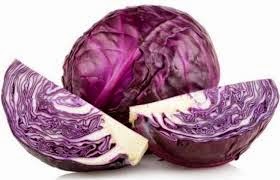
Red cabbage

Glutamine is a critical part of our digestive system and helps prevent and rebuild a leaky gut. Glutamine has been shown to be effective in people with ulcerative colitis, celiac disease, Crohn’s disease, and irritable bowel syndrome.

Red cabbage is considered the most dense vegetable form of L-glutamine. A great way to assimilate it is through juicing or fermenting. Try fermenting it and adding apple cider vinegar to it to create an abundance of enzymes and beneficial bacteria that allow amino acids and other nutrients to be more easily absorbed and used by the body.

The biggest hurdle to healing the gut is recognizing problems before they become full-blown and extremely difficult to manage. To head off that nightmare, check out Candida Infection? Try the Spit Test! to see if this insidious condition is about to plague your health, and then kill Candida and balance your inner ecosystem.

Sources:  http://complete-health-and-happiness.com/five-foods-that-work-miracles-on-digestive-problems/